
Sourdough seems to be a very common household term these days. With the food shortages (no yeast!) and challenges during 2020/2021, many people were looking for a way to be a bit more self-sustainable and healthy when it came to their kitchens. I have always enjoyed sourdough bread for the flavor, but have only in the last two years learned of the health benefits to using sourdough in our diets and as a natural yeast for leaven. I have grown to love working with sourdough, trying new recipes, and chatting with others about it as much as possible.

Why Sourdough?
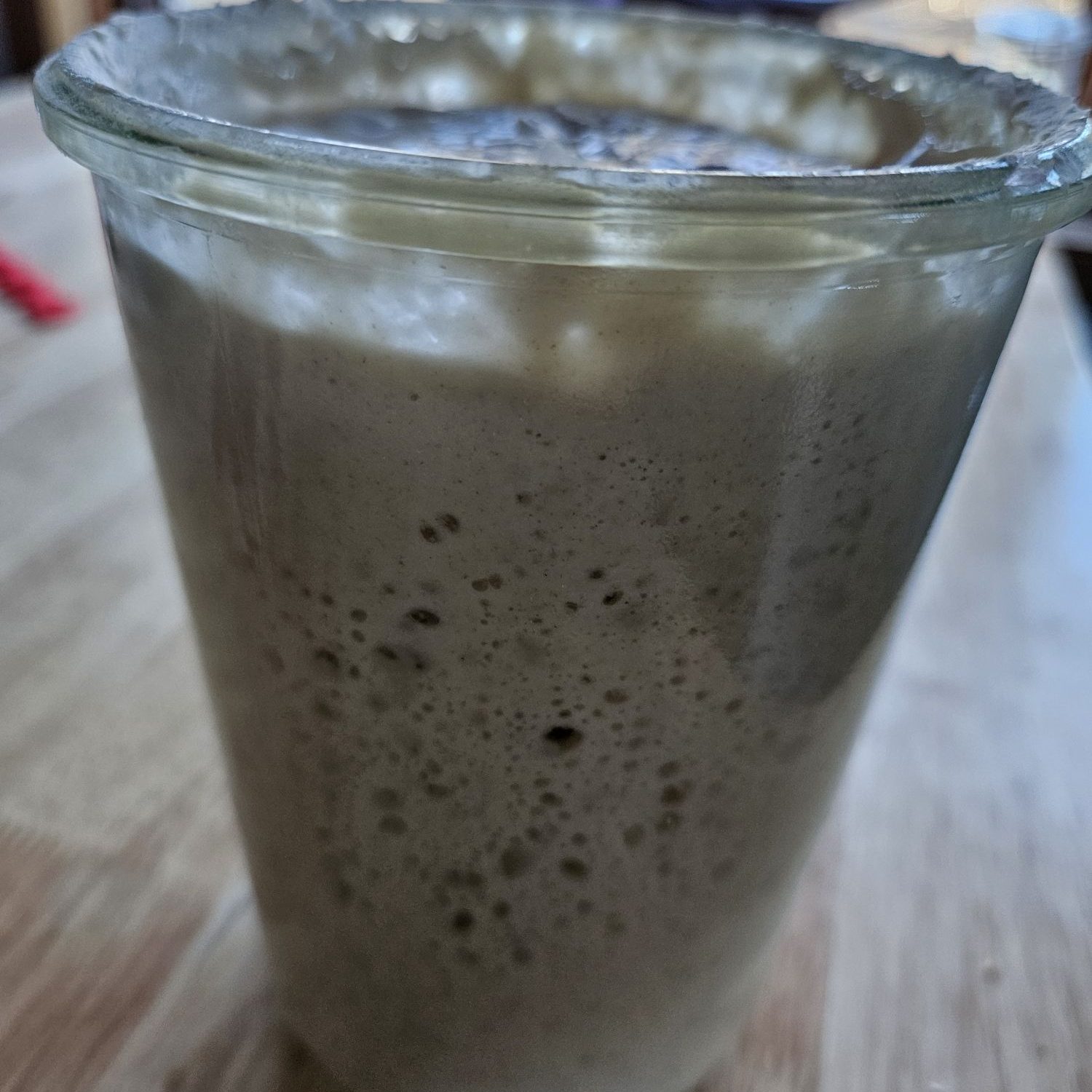
I have done quite a bit of research on sourdough and why it is so beneficial to incorporate into your usual diet. A sourdough starter is simply flour and water mixed together and allowed to ferment to create good bacteria (this causes the mixture to bubble and rise). When you add it to your bread dough, the fermented mixture acts as a natural yeast to rise the dough. You can also add discard (inactive starter) to pretty much any baked good recipe (noodles, granola, pancakes, waffles, etc.) to enjoy the digestive benefits and flavor of sourdough.
Grains naturally have phytic acid, which is an anti-nutrient that makes it difficult for your body to absorb the nutrients in grain foods. Sourdough helps break down that acid to make the digestive process easier for your body. The longer you ferment your sourdough products, the more digestive benefits you will reap.
Having a sourdough starter in your kitchen, ready to go, is also handy as you will never run out of yeast! Use it for breads of all kinds, bagels, cookies, cakes, and more. A starter is very versatile and gives you endless options for whipping up something tasty and gut-healthy in your kitchen.
Is Sourdough Hard?
When I first started hearing people mention sourdough and how to create and maintain a starter, I thought it sounded way too complicated and time consuming. I put off actually looking into it, until one day I had enough of just admiring the beautiful loaves on social media and had to dive in!
After checking out a few Instagram pages and blogs, I felt ready to get a starter going. This was the most difficult step of the sourdough process for me. I printed off a daily log on how to get a starter going; it took much longer for me to get to a healthy starter (most likely due to us keeping our house on the cooler side). The starter was named Felicia. We had some good times and tasty bread. Then one evening I forgot I left her in the oven while letting it cool off (just to get some extra warmth) and my husband preheated her. I started all over, got the starter to a usable point, and then…cooked it again. Ahhh! That was very frustrating, and my own darn fault. I decided to take an easier route for my third time and purchased a dehydrated starter from Ballerina Farm. I also purchased their sourdough starter kit with a Weck jar, wooden stir stick, and a bench cutter. I love all of it and highly recommend!

How Do I Start with Sourdough?
Once your starter is bubbly and strong, you can start using it for breads, bagels, and other items that need to rise. You can use unfed starter (discard) in any items that do not need rise time, such as quick breads, cakes, cookies, pancakes, and more. There are so many possibilities and options to incorporate sourdough into your meals and snacks!
As a beginner, I would suggest starting out with a simple sandwich bread and move on from there. Once you get the feel for how your starter acts (how long it takes to peak, its hydration, what type of flour it thrives on, etc.) it is easier to try out other types of breads. Everyone loves the beautiful boules with designs, and they are easier than you would think! It is also very fun to experiment with different flavors and add-ins.
If you are worried about your family enjoying the sourdough flavor, I would suggest starting them on some discard recipes, such as waffles, pancakes, or desserts. The flavor of discard tends not to be as strong, though it does depend on the other flavors involved in the recipe.

Where Do I Find More Sourdough Tips & Tricks?
While I now have a healthy starter and the ability to whip up most sourdough items our family eats with little fuss, I am relatively new to the sourdough world. There are a few sites I continually go back to for sourdough troubleshooting, tips, and recipes:
www.farmhouseonboone.com – Lisa is the sourdough guru. She has a great sourdough e-book for free as well! You can find her recipes on her blog, Pinterest, and many of them on YouTube. I highly recommend reading her articles and watching her videos.
www.actsofsourdough.com – Some of the most delicious and inventive sourdough recipes I have found. Plus, she is just a fun personality!
www.heartscontentfarmhouse.com – Her Never-fail Sourdough Bread recipe for the bread machine is what I have based my bread machine recipes off of.
While sourdough can seem intimidating, do not be afraid to give it a try. Even if a loaf isn’t up to par, you can turn it into a French toast bake, croutons, or bread crumbs. Once you get into a rhythm with your starter, it won’t be long before you are able to put your favorite sourdough recipes together with minimal effort.
I am always happy to answer questions or give suggestions and assistance where needed, so always feel free to post questions on my posts or email me. I appreciate you stopping by, and hope you enjoy these sourdough basics!
Frequently Asked Questions
What type of flour should I use for my starter? I would suggest beginning with all-purpose flour. You can switch to whole wheat flour or freshly milled flour with subsequent feedings. Gluten-free flours can work, but are difficult to work into a structured loaf with sourdough as the stretch-and-folds are to develop the gluten to shape to loaf.
What type of water should I use for my starter? Only use water not treated with chlorine. If you have city water, you will most likely want to buy filtered bottled water to use in your starter. Chlorine and other additives can kill the good bacteria in your starter. The water temperature you add to your starter should be luke warm; hot water can kill the beneficial bacteria in a starter.
What if my starter isn’t bubbling? Keep feeding and discarding! It can take a few days for the good bacteria to build up and get active. You can try feeding it whole wheat flour for a boost as well.
Where should I store my starter? If you are just beginning your starter or are using it at least every other day, leaving it out on your counter or in a pantry is fine. Note that if you have a cooler home, it will take longer for the starter to peak. If your home is on the warm side, it will peak quickly. Starts can overflow their containers, so be sure to put your jar somewhere a mess will be ok or put a plate underneath it. If you won’t be using your starter for a few days, feed it then store in the refrigerator until ready to use again.
My starter has liquid on the top of it – has it gone bad? Nope! That is hooch, a product of the fermentation. You can pour it off before using or feeding, or just mix it back in. If your starter has turned pink with mold, however, it is time to start over.
Can I eat sourdough with a gluten allergy? The good bacteria in sourdough that breaks down the phytic acid in grains can often make sourdough products consumable for those with gluten sensitivities. DO NOT consume sourdough if you have a gluten allergy.
Do I have to use a Dutch oven to bake sourdough bread? No! I usually open-bake my boules with steam, though the closed lid creates a great oven spring. You can also bake in a regular loaf pan for a regular-shaped loaf. There are many possibilities and methods to sourdough baking!
 Hill Road Homestead